Turbopropeller transition course: aerodynamic management, propeller passage, pressurization and thaw systems.
Initial and recurrent of crm: optimization of communication, decision making and synergy in cabin.
Pre-admission training: standardized profiles, pf / pm roles and contingencies under airline standards.
Advanced ifr course: precision and non-precision approach procedures in adverse meteorology.
MCC
cooperation in the most recent crew
25 hours
Training essential to develop coordination between pilot flying and pilot monitoring under international standards.
CRM
SOP
Callouts
Checklist
Teamwork
$350.000 ars
BUY
JOC
ORIENTATION COURSE IN REACTORS
15 hours
Technical transition to aircraft to reaction. i learned energy management, automation, flight director and fms operation.
$250.000 ars
BUY
CRM
management of crew resources
16 hours
Training essential to develop coordination between pilot flying and pilot monitoring under international standards.
$180.000 ars
BUY
BOEING
737 ng
SYSTEMS
30 hours
Training essential to develop coordination between pilot flying and pilot monitoring under international standards.
Engines
Hydraulic
Electric
Neumatic
Pressurization
FMC
Emergencies
$400.000 ars
BUY
KING AIR
B200
SYSTEMS
20 hours
Training essential to develop coordination between pilot flying and pilot monitoring under international standards.
pt6a
Fuel
Electric
Landing train
Pressurization
Emergency procedures
$300.000 ars
BUY
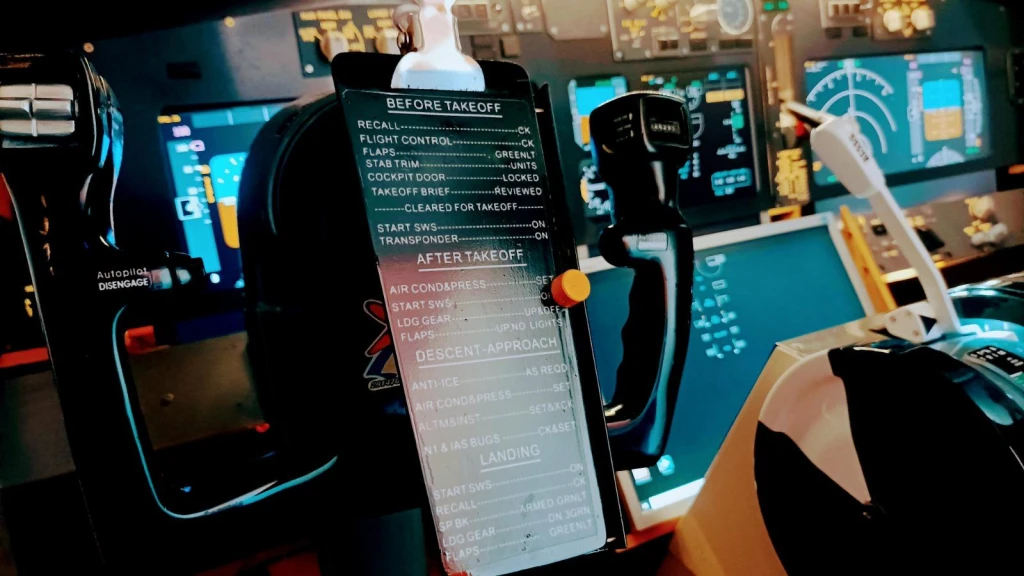
non-normal & emergency procedures (contingency management) - 4 hours
Description: high demand training to deal with lists of abnormal and emergency procedures based on qrh. it faces hydraulic failures, motor plants in critical stages, severe weather challenges such as windshear, conditions of fattening and severe turbulence in night operations.
Focus: maximum temperance and control of the plane in non-normal scenarios.
I WANT TO SIGN UP
.webp)
King air b200. (transicion turbohélice)
Operational and academic description:
high-fidelity ftd that accurately reproduces the complex biturbopropeller cabin. is focused on the technical transition from piston aircraft to high performance turbopropeller systems, covering the management of power plants with turbine, automation, multi-crew operation and critical failure resolution. is the ideal platform for admission tests on regional and corporate airlines.
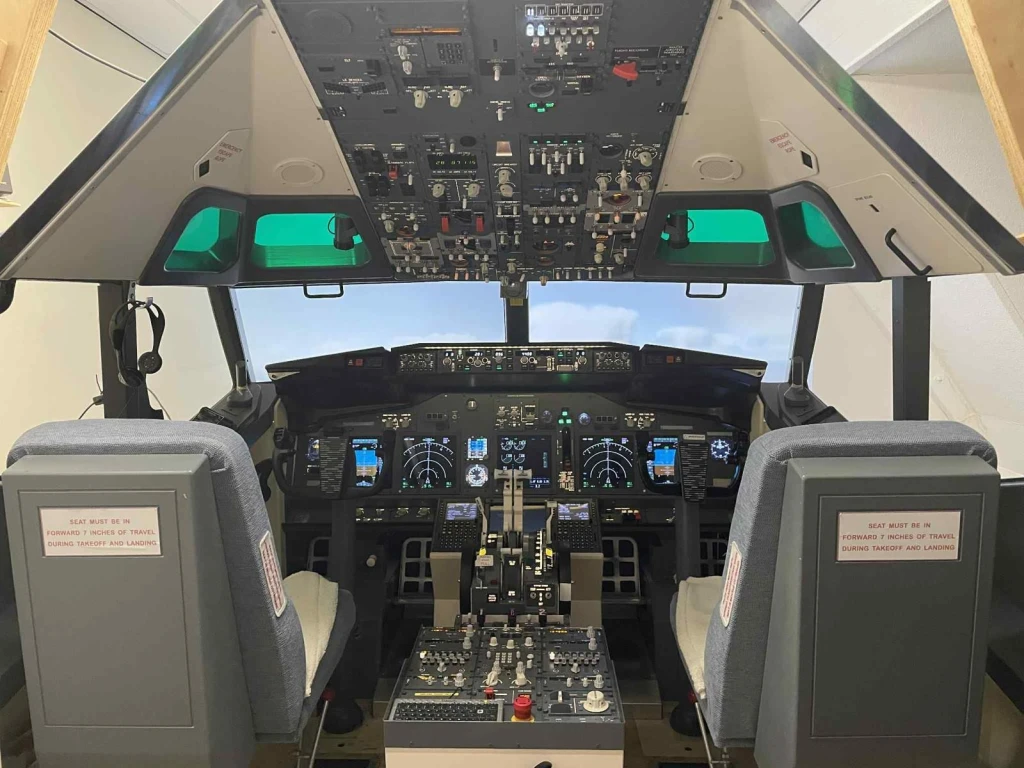
737ng boeing (transition to large jet)
Operational and academic description:
Latest-generation trainer with 180 ° immersive visual system that faithfully reproduces the most used commercial jet cocktail in the air lines. designed for advanced transition to large-scale aircraft, the program consolidates the deep use of fms, the strict application of sop (standard operating procedures) and the immersion in loft scenarios (linearly oriented flight training) for selection or promotion processes.
Mcc (multi-crew cooperation) course: teamwork, leadership and resource management in multiple crews.
Jtc race (jet transition race): high altitude jet aerodynamics, energy management and spool-up response.
Loft and fms training: real-time flights to optimize programming, automation and on-line failures.
Seminar of promotion to commander: leadership, legal authority and critical decision-making under pressure.
I WANT TO SIGN UP
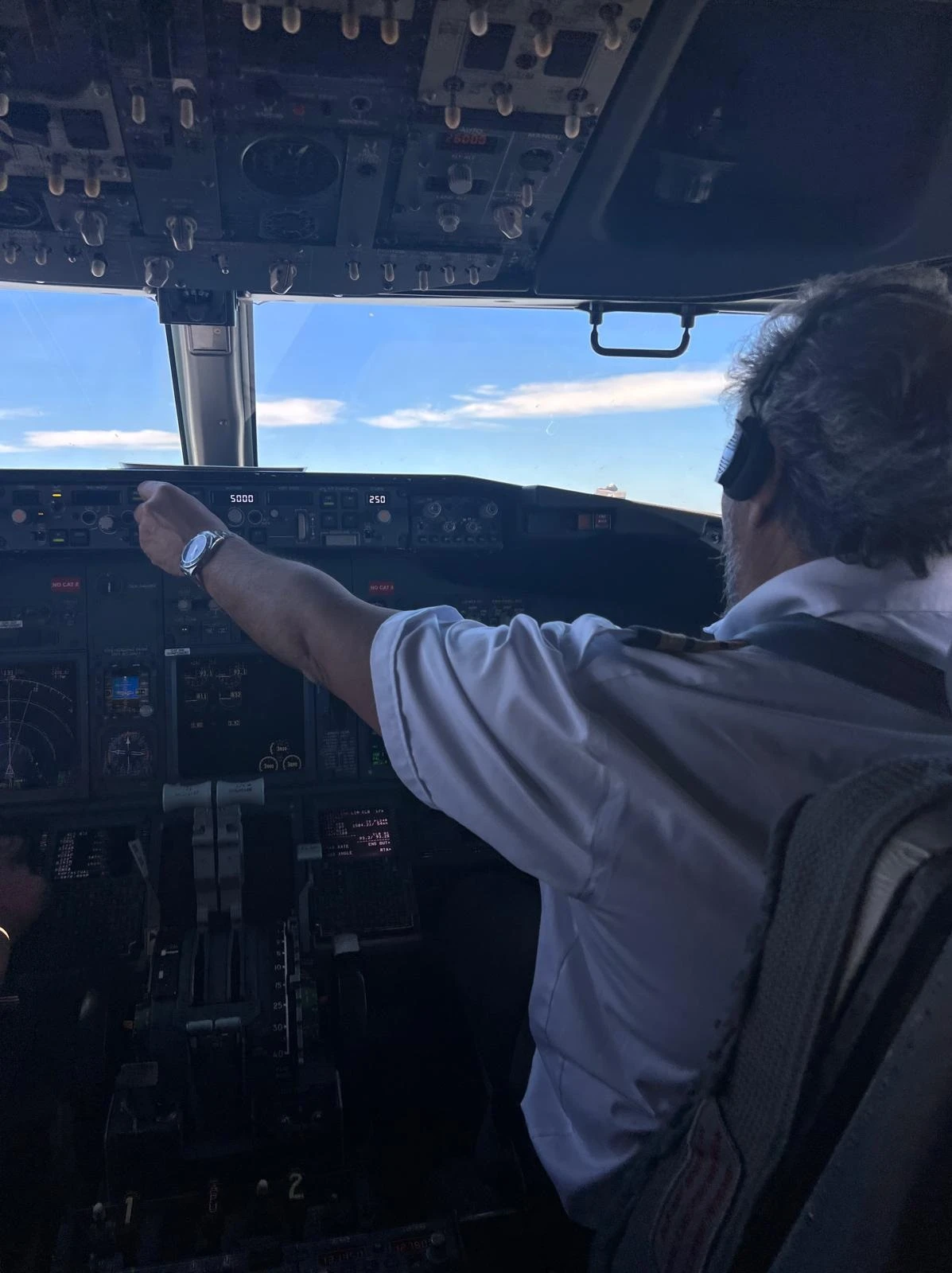
Advanced training solutions: boeing 737-800 ftd
In global jets we enhance the professional transition to large commercial aviation through training based on the real experience of airline. in our training center in the best, good, well, we operate a last-generation flight training device (ftd) configured for the boeing 737 ng series. this high-fidelity simulator offers an accurate replica of the cabin environment, systems and dynamic performance of the aircraft, consolidating itself as the key strategic tool for the preparation of pilots under real operating standards.
The differential value of our center lies in our teaching body: all our instructors are active airline pilots and current boeing commanders 737. this ensures that training is not limited to the theory of the manuals, but to the direct transmission of practical knowledge, the resolution of actual scenarios of the daily operation and the decision-making criteria that are acquired only by adding flight hours to the command of this reactor.
Our comprehensive programmes are structured under strict methodological criteria to maximize technical and operational competence:
Jet transition course (jtc): a high-demand program designed for commercial pilots oriented to the transition to reactors. guided by b737 commanders, the course provides a deep understanding of the limitations, performance, automation and system management of the aircraft, preparing solidly the aspirant to successfully deal with the selection processes of airlines and type-rating courses. it consists of 20 hours of face-to-face theoretical instruction and 4 hours of intensive practical training in simulator.
CRM / MCC (CREW RESOURCE MANAGEMENT & MULTI-CREW COOPERATION): AIMED AT DEVELOPING FUNDAMENTAL SKILLS IN MULTIPLE CREW ENVIRONMENTS. GIVEN BY AIRLINE PILOTS WITH REAL EXPERIENCE IN CABIN MANAGEMENT, TRAINING FOCUSES ON OPTIMIZING COMMUNICATION FLOWS, DECISION-MAKING UNDER PRESSURE, RIGOROUS APPLICATION OF SOPS (STANDARD OPERATING PROCEDURES) AND EFFICIENT WORKLOAD DISTRIBUTION BASED ON CURRENT INDUSTRY STANDARDS.
Personalised familiarization and technical training: a versatile module designed for professional pilots who need to maintain their operational efficiency, prepare specific evaluation profiles, or become immersively familiar with the complexity of the navigation systems of the b737 ng before starting a formal rating, accompanied and advised in each session by a material commander.
Note: the combination of a precise response simulator with the 'coaching' and the living experience of active commanders ensures an optimal, measurable and directly applicable transfer of skills to the actual requirements of an airline.
I WANT TO SIGN UP

Operational transition training: king air b200
In global jets we understand that the jump to the high performance turbohelix flight is a critical milestone in the development of a professional pilot. in our training center, we offer advanced programs focused on the beechcraft king air b200, one of the most versatile, successful and demanding corporate and regional transport platforms on the market. our training is designed to consolidate the technical skills of the pilots, providing them with the tools necessary to be successfully integrated in the field of executive transport, health aviation or the transition to large-scale reactors.
As in our entire academic offer, the training is taught exclusively by instructors who are active commanders in king air b200. this ensures an irreplaceable transfer of know-how: the actual management of the turbopropeller engine, efficient operation in demanding aerodromes and decision-making based on the living experience of executive and regional aviation.
Our existing programs are designed with a concise, pragmatic and highly professional approach:
Turbopropeller transition course (initial king air b200): structured for commercial pilots looking to step from the piston engine to turbopropeller technology. the training covers in depth the management of pratt & whitney pt6a power plants, structural limitations, pressurization systems, specific high performance aerodynamics and the use of advanced avionics. is the ideal preparation to deal with any process of line or rating in corporate aviation companies with solvency.
Operational training and evaluation profiles: sessions aimed at pilots who already operate the material but require standardization, preparation of company entry profiles or specific training in the management of critical emergencies (engine failure in take-off, hydraulic systems and operations in adverse weather conditions).
CRM ADAPTED TO CORPORATE OPERATIONS (SINGLE / MULTI-PILOT): OPTIMIZATION OF CABIN WORKFLOW FOR EXECUTIVE ENVIRONMENTS, WHERE OPERATIONAL FLEXIBILITY AND SECURITY MUST COEXIST UNDER THE HIGHEST STANDARDS. THE RIGOROUS APPLICATION OF CHECKLISTS, THE MANAGEMENT OF FATIGUE AND SITUATIONAL CONSCIOUSNESS ON NON-REGULAR ROUTES ARE TRAINED.
Note: the combination of a faithful response simulator with the advice of experienced commanders ensures a smooth technical transition, minimizing the adaptation times on the actual aircraft and enhancing your professional profile towards the opportunities of the current and future market.
I WANT TO SIGN UP
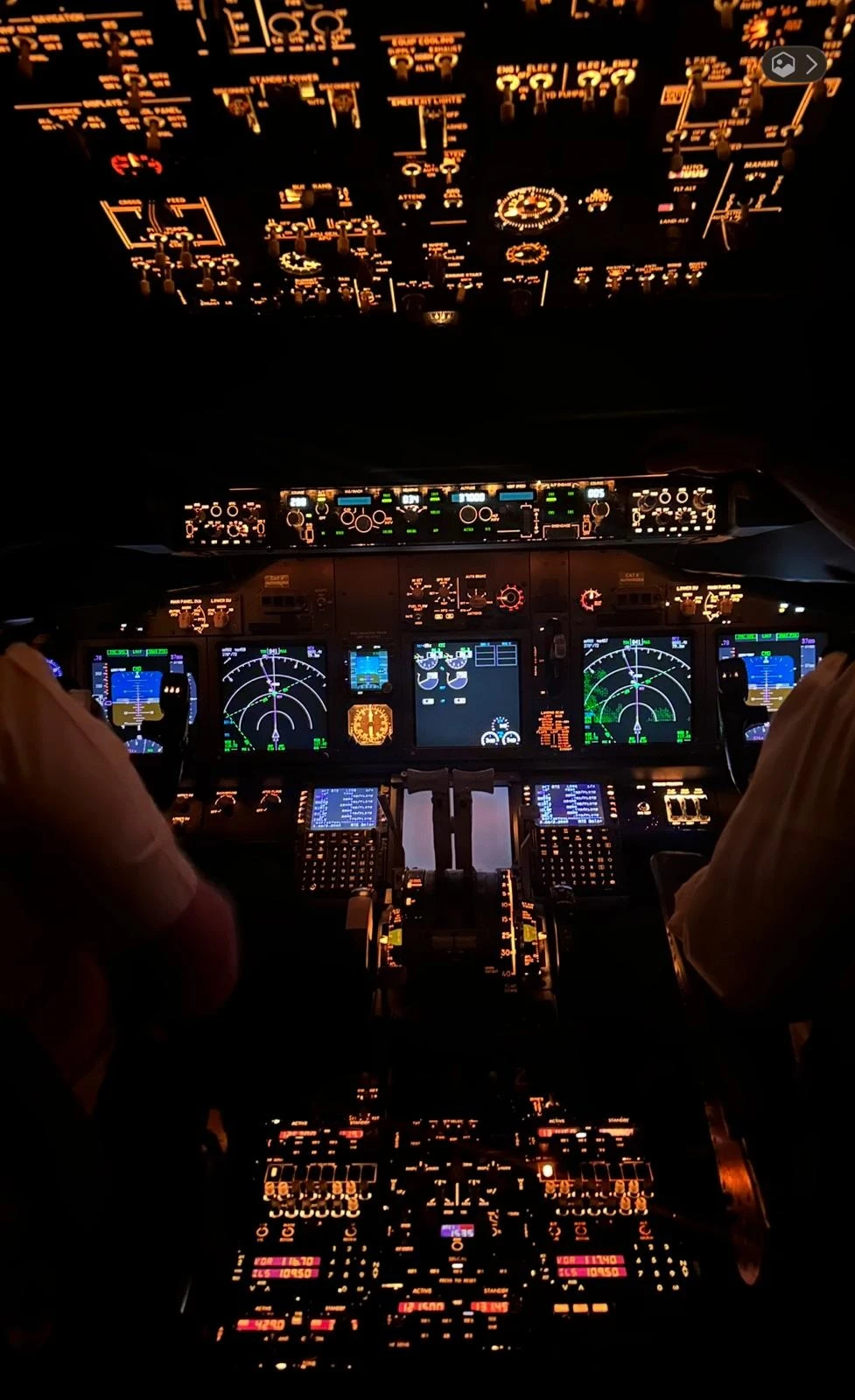
management of fms and adaptation to the flight of aerea
Flight training center - global jets
1. institutional presentation
In global jets we enhance the profile of professional pilots through high-level training, designed to align with the most demanding standards of international commercial aviation. the central value of our institution lies in our teaching team: all our instructors are active airline pilots and current industry commanders. its experience guarantees a direct transfer of knowledge, real multiple-cabin working methodologies and decision-making criteria that are only acquired in the daily operation of airlines.
.
2. rationale for the programme
The shift from general or executive aviation to airline transport requires a change of operational mentality. company income assessments not only assess manual skill, but also the mastery of automatims and efficient management of workflows under standard operating procedures (sops). this course offers focused and pragmatic training to master fms (flight management system) as the core of the modern operation, facilitating a smooth transition to the environment of large-scale reactors.
3. technical content of the module
The programme is structured to provide the pilot with technological fluidity and operational discipline in complex cabins:
Architecture and logic of the fms: understanding the philosophy of automation, page structure (init, rte, perf, legs, prog) and the correct feeding of the navigation database.
Programming and flight modifications: insertion and revision of flight plans, calculation of take-off and landing performance, management of speed and altitude restrictions, and editing of road routes or terminal areas to control vectors.
Lateral and vertical navigation strategies (lnav / vnav): advanced management of the promotion, cruising and optimal descent profiles (top of descent), holding settings and sequencing of complex approaches.
Adaptation to air line standards (sops): practical introduction to multiple cabin discipline, reading and execution of checklists, standardized cabin flows, and critical interaction between the flying pilot (pf - pilot flying) and the monitoring pilot (pm - pilot monitoring).
Contingency and failure management: procedures for auto losses, degradation of navigation data, and rapid reconfiguration of the flight plan under high-workload situations.
4. methodology and professional projection
Through an advanced briefing structure, practical guided coaching session and critical debriefing, the trainee develops the confidence necessary to operate modern flight management systems. this training reduces the technical gap in the selection processes of airlines, allowing the graduate to stand out in the simulator tests and to dramatically accelerate their adaptation in future type rating courses.
Baires global jets
Training of professionals, by professionals.
More mejía, buenos aires, argentina.
I WANT TO SIGN UP
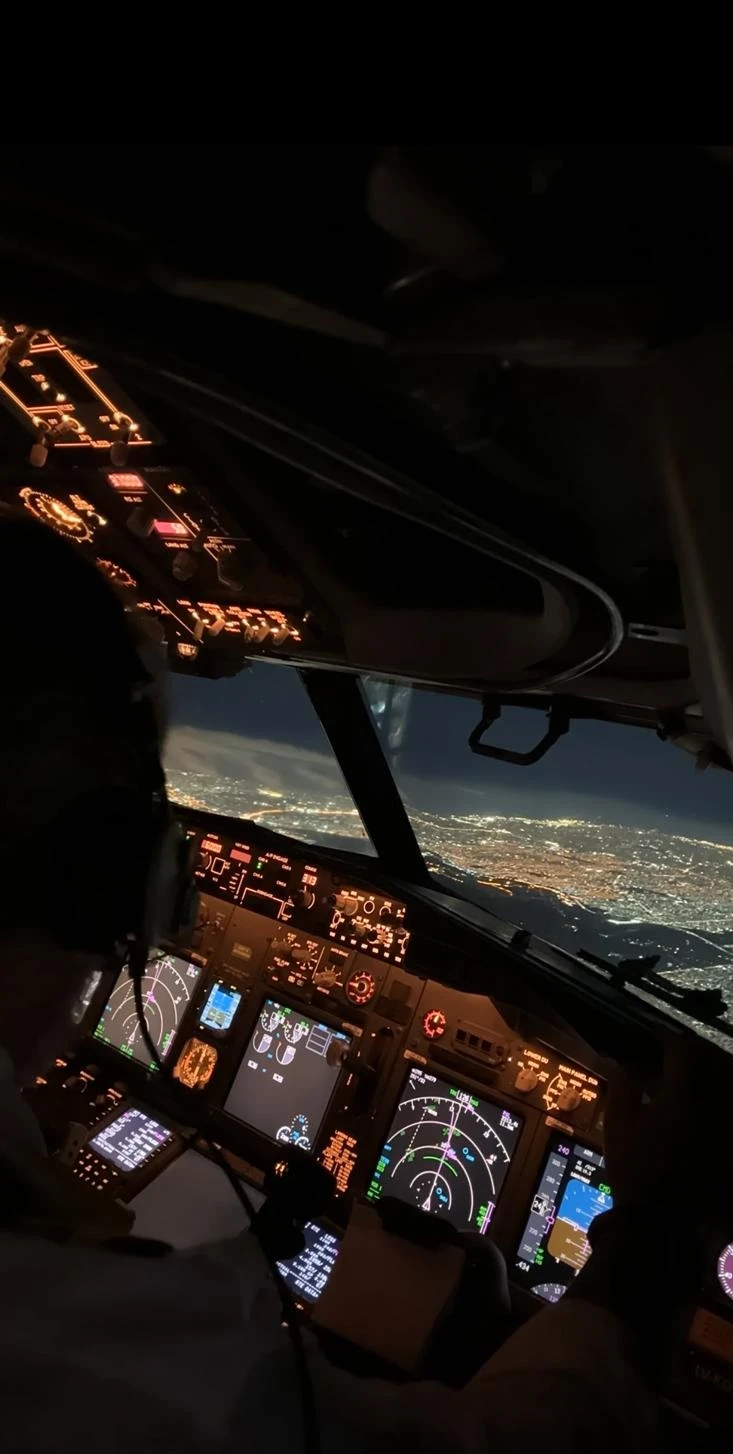
COMPREHENSIVE MANAGEMENT COURSE AND OPERATIONS IN AEREA
Flight training center - global jets
1. institutional presentation
In global jets, we promote the training standards of professional pilots in argentina. the excellence of our programs lies in our differential factor: all our instructors are active airline pilots and current industry commanders. this ensures the direct transmission of real experience, operational discipline and decision-making criteria required in large-scale aviation.
.
2. rationale for the programme
Entering a regular airline requires a critical transition to a highly complex corporate and legal structure. current airlines seek professionals with a strong capacity to lead resources, mitigate risks and manage the operation under the current regulatory framework. this global program immerses the pilot in the real environment of an airline, combining high technical demand with the required legal and leadership knowledge in multiple cabins.
3. technical and academic content of the course
Legal framework and aeronautical code: study of the aeronautical rules applicable to regular commercial operations. legal responsibilities to the aeronautical authority, implications of the regulatory framework for the operation of large aircraft and legal aspects of the flight clearance.
Powers and responsibilities of the crew: legal and operational definition of the role of the master (maximum authority, aircraft security, decision-making and civil and criminal responsibility aspects) and of the first officer (assistance roles, delegation of functions and security management as second in command).
Multiple cabin interaction (crm / sops): working dynamics in crews under standard operating procedures (sops). distribution and standardization of cabin flows, safety briefings and professional interaction with cabin staff (tcp), office, ramp and air traffic control (atc).
Contingency and threat management (tem): methodology for detection and mitigation of operational errors. standardized models for complex decision-making under high workload (dodar / fordec) and fuel management (fuel management) in the face of severe weather or saturated airports.
High complexity emergency procedures: protocolisation and cabin discipline in critical situations in large-scale aircraft: depressurization, critical-stage engine failures (v1 / take-off), on-board fire and evacuation. absolute emphasis on the division of roles: flying pilot (pf) and monitoring pilot (pm).
4. methodology and professional benefits
The program combines academic instruction with dynamic simulation sessions under the loft method (linearly oriented flight training). the graduate acquires the systemic vision, the legal knowledge and the habits required in the selection and entry processes of the main airlines of the region.
Baires global jets
Training of professionals, by professionals.
Bouquets, almirante brown, buenos aires
I WANT TO SIGN UP
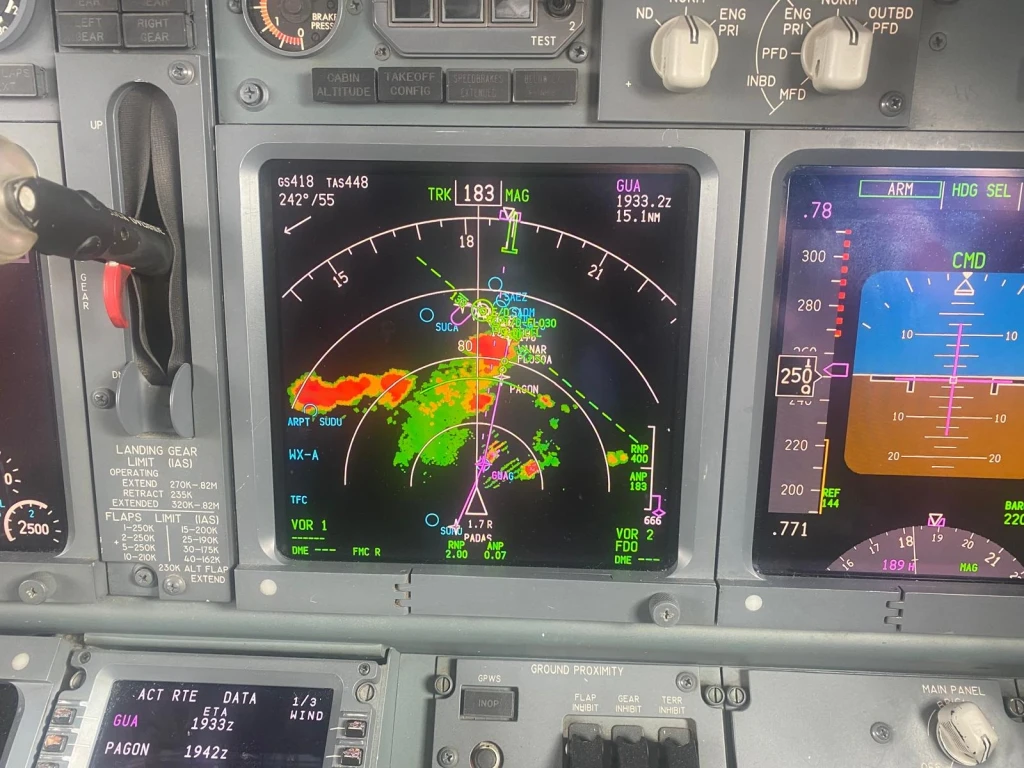
SEMINAR I: ADVANCED OPERATIONAL METEOROLOGY AND METEOROLOGICAL RADAR
Description: intensive training focused on the interpretation and management of severe atmospheric phenomena that impact large-scale aviation. the module deepens the predictive analysis of significant time letters (sigwx), complex weather reports (metar / taf) and en route messaging. the physics of the development of storms (cumulonimbus), windshear (windshear), light air turbulence (cat) and mesospale convective systems is fully trained. the practical axis is focused on the correct operation and interpretation of the on-board weather radar: vertical scanning techniques, beam attenuation, hook echo identification (hook echo) and regular safe diversion strategies to mitigate operational risks.
I WANT TO SIGN UP
.webp)
SEMINAR II: OPERATIONS IN COLD CLIMATE AND SURFACE POLLUTION
Description: technical seminar dedicated to critical procedures for the safe operation of aircraft under severe winter conditions. covers in detail the physics of the formation of ice in flight (ice types, critical accumulation areas) and the efficient use of pneumatic systems (de-ice boots) and anti-ice thermal. on the ground, we analyze the rigorous application of the concept of "clean cabin," effective time tables (holdover times - hot) for fluids type i, ii, iii and iv, and snow / scarlet removal techniques. finally, we cover the performance of take-off and braking on contaminated tracks, interpretation of snowtam reports and calculation of the friction coefficient to avoid track excursions.
I WANT TO SIGN UP
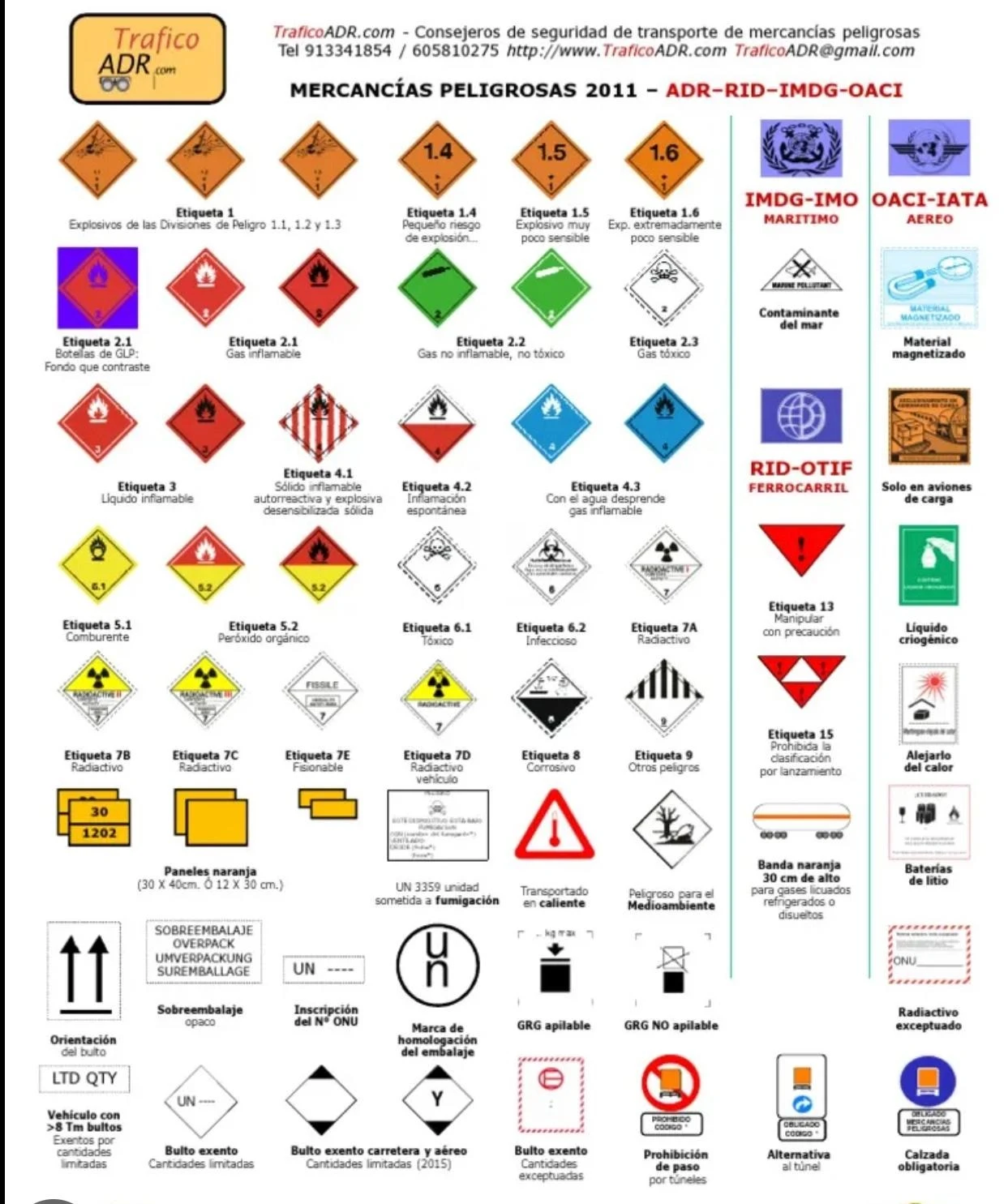
SEMINAR III: SAFE TRANSPORT OF DANGEROUS GOODS (REGULATION)
Description: compulsory training under international standards to understand the legal and operational responsibility of the crew in the transport of special loads. the content covers the classification of the 9 classes of dangerous goods, identification of risk labels and safe handling. the analysis of the notification to the commander (notoc) is emphasized, verifying the compatibility of stoves in the wineries, segregation of reactive materials and quantity limitations. the instructors (active pilots) transmit the exact protocols for response to incidents in flight (spilling, emanation of toxic gases or chemical fire), ensuring the regulatory compliance required by airline audits.
I WANT TO SIGN UP
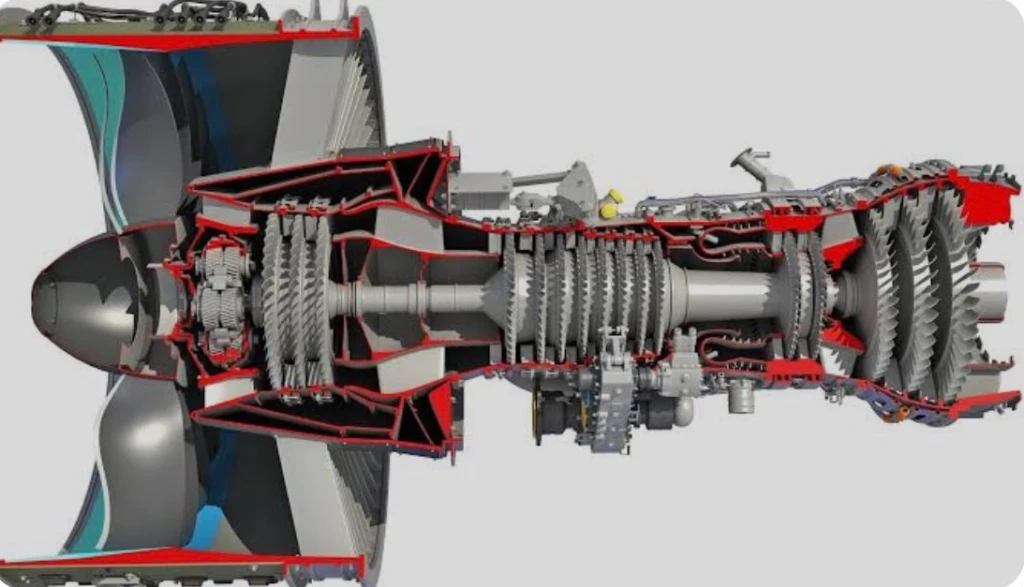
SEMINARIO IV: INGENIERÍA OPERATIVA DE MOTORES REACCIÓN (TURBOFAN)
Description: technical and performance analysis of power plants that equip modern large aircraft (such as the boeing 737 ng series). the seminar discloses the thermodynamics and the operation of the high-rate bypass ratio, air flows, high / low-pressure compressors and turbines. it focuses on cabin management: interpretation of push parameters (n1, n2, egt), startup under adverse conditions (hot / hung start) and efficient use of reverses. also, operating criteria for high complexity failures such as overloss of compressor (compressor stop), intake of foreign objects (fod / birds), and flight reignition procedures (in-flight restart) are trained.
I WANT TO SIGN UP
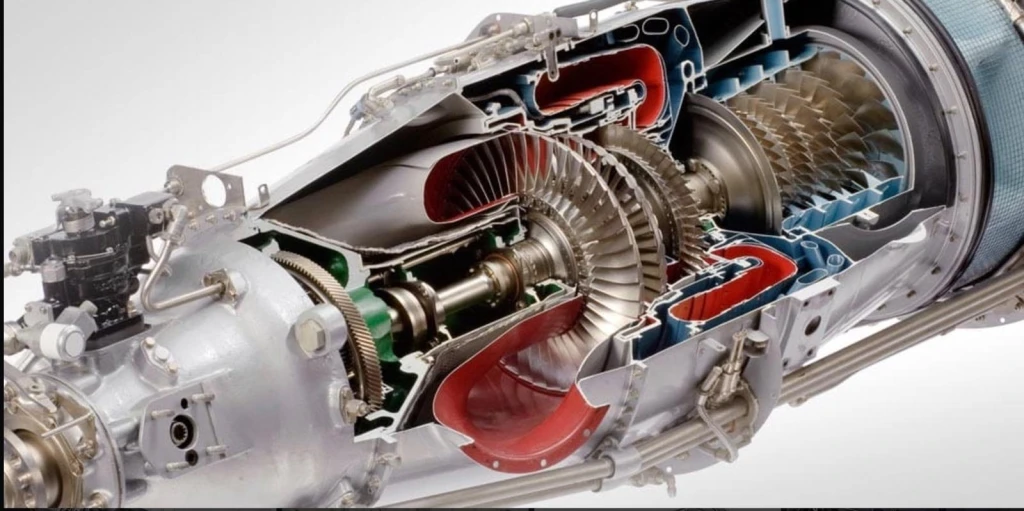
SEMINARIO V: GESTIÓN TÉCNICA DE PLANTAS MOTRICES TURBOHÉLICE: PT6A Y PRATT & WHITNEY
Description: specialisation course focused on the architecture and operation of the most successful turbohelic engines of corporate and regional aviation (king air platforms and regional reactors). the programme covers the design differences between free turbines (pt6a) and solidarity axes, power and gas section management (ng / nf), and the operation of the torque measurement system. special emphasis is placed on the control of the propeller: operation of the governor, passage of the flag (feathering), reverse pass (beta range) and prevention of conditions of overtemperature (itt) during the ignition. an essential module for pilots who seek to optimize the engine's life and master critical motor-plant failure emergencies.
I WANT TO SIGN UP